
Luis SanchezLuis Sanchez
Cofounder · Mutuall · 2023 — 2025

Mutuall — Chrome Extension for Logistics Scheduling Consolidation

Mutuall was a Chrome extension that collapsed logistics appointment scheduling from a stack of supplier-portal tabs into a single companion tool. Human-approved browser agents handled repetitive portal work from one toolbar, using encrypted on-device credentials and an auditable activity log. The user stayed in control of every booking. Cut scheduling time per user by 87%.

Mutuall — Chrome Extension for Logistics Scheduling Consolidation
Stack
Chrome Extension (TypeScript) · React · Background AI agents · Encrypted local credential store
Scale
Multiple supply-chain portals supported per session
Outcome
87% reduction in scheduling time per user
Lifetime
2-year cycle · Sunset 2025
87%
Scheduling time reduction
Per-user time-to-schedule dropped across active sessions; what used to fill an afternoon now fit a morning
15 → 1
Portals collapsed into one toolbar
Five loads used to require ~15 different supplier-portal logins. Mutuall did them all from one surface
Live
On the Chrome Web Store
Public listing maintained through 2025

Constraints that shaped the build

Run inside the host portals' DOM without breaking themEncrypt credentials on-device; never send them to a serverAI agents stay a companion, never an autonomous booker — every action requires user approvalSurvive portal layout changes without redeploying for every siteAuditable trail for every scheduled appointment
Symptom

Five loads meant fifteen portals.

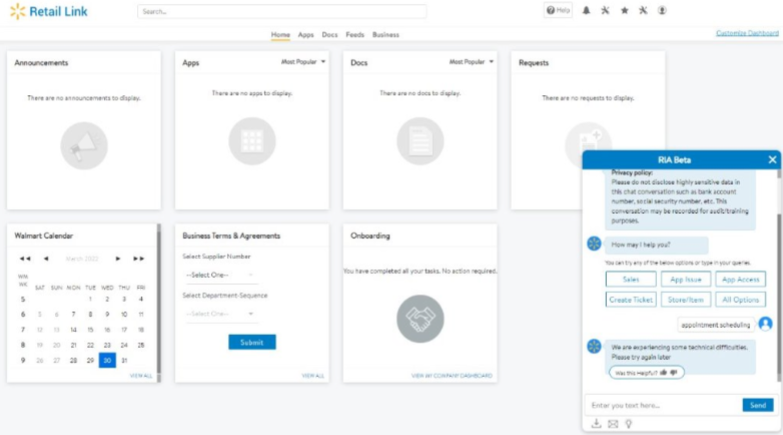
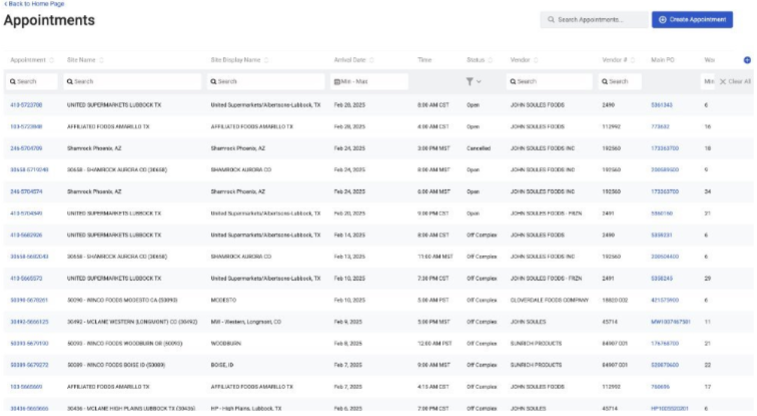
Scheduling a single freight booking already means juggling a supplier portal, the receiving facility, and any intermediaries. Scheduling five loads typically meant logging into roughly fifteen different sites in a single afternoon. Five separate sets of credentials, five separate UIs, five separate copy-paste cycles between PO and slot picker.

The work itself, picking the right slot at the right facility, was minutes of decision-making per load. Everything around it was hours of browser tax.
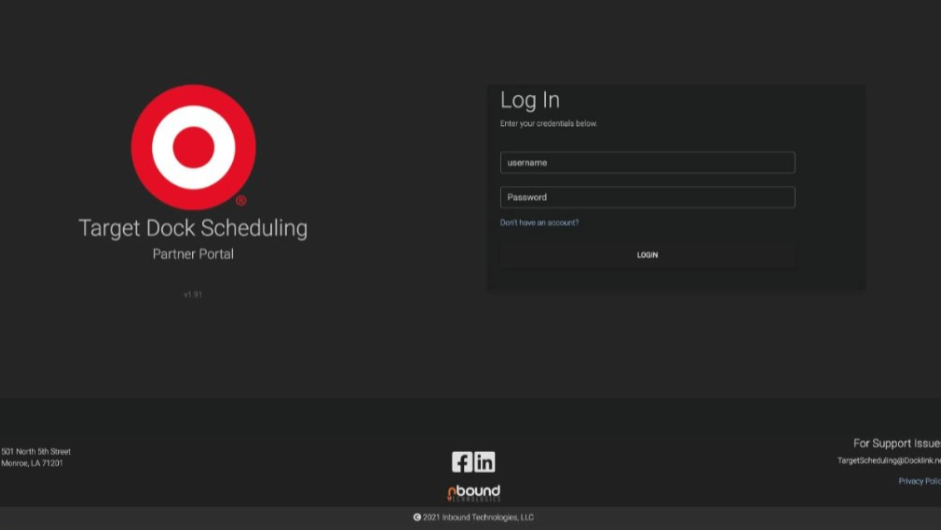
TargetTarget
WalmartWalmart
+ many more+ many more
Diagnosis

The scheduling work was solvable. The portal-switching was the cost.

When we shadowed logistics teams, the actual scheduling decisions (which slot, which carrier, which facility) were a small fraction of their day. Hours of it went into context-switching between portals to execute those decisions. The leverage point wasn't smarter scheduling; it was collapsing the switching cost to zero.

Replacing the portals was a non-starter. We had to live inside them.

Hypothesis

Human-approved browser agents that act as the user's hands across portals.

Build a single browser-based companion that uses encrypted on-device credentials to dispatch user-approved browser agents across supplier portals. Schedulers approve a recommendation in one surface; the agents handle the repetitive cross-portal execution under human supervision. The user stays in control of every booking.

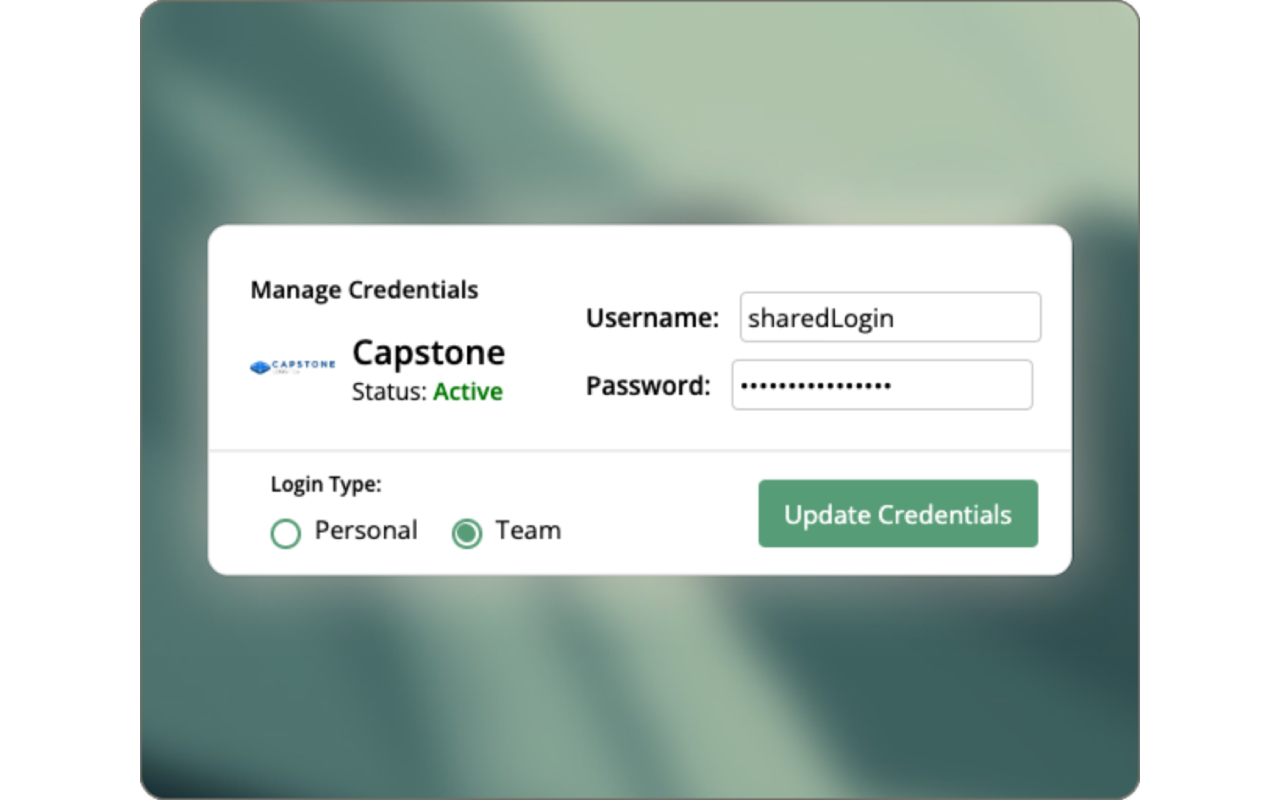
Encrypted on-device credential storage and an exportable activity log gave the workflow the trust + audit posture logistics IT teams expected before letting any automation touch their portals.

Implementation

Human-approved browser agents, one toolbar, encrypted on-device.

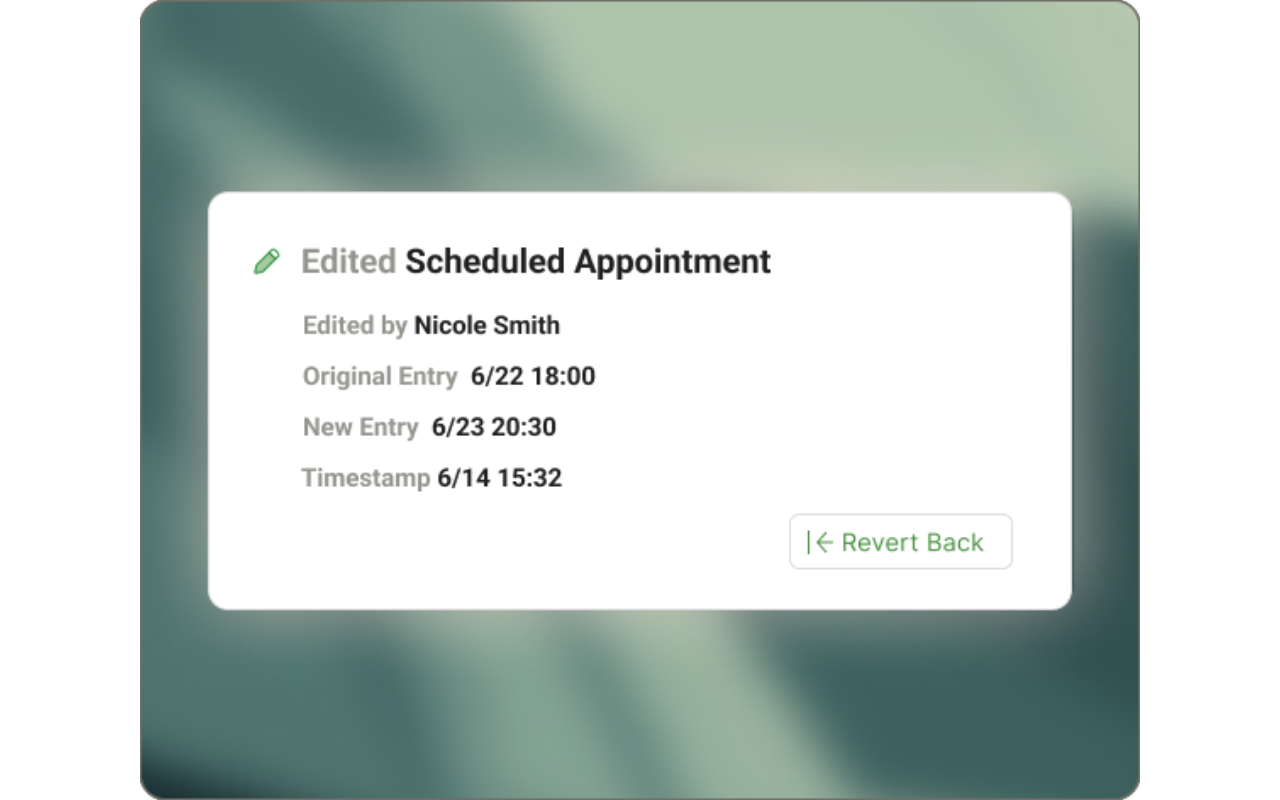
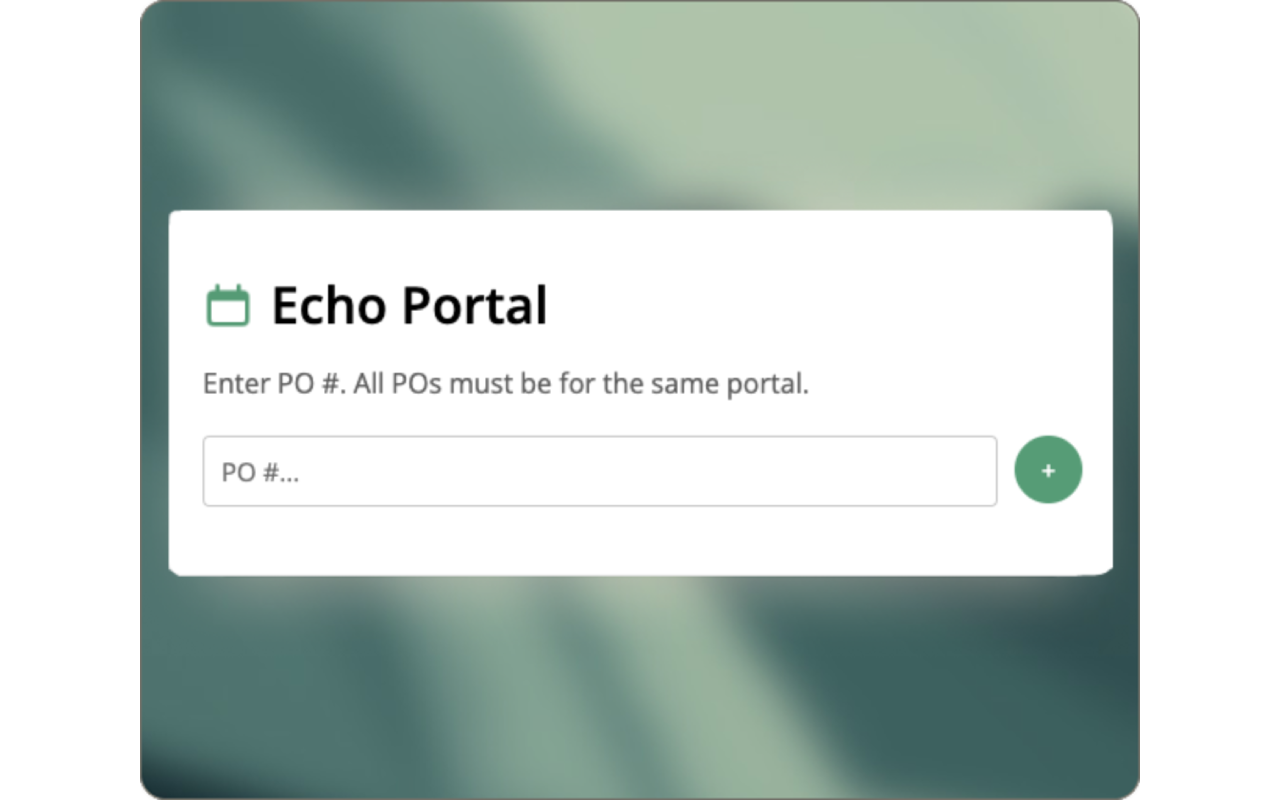
The extension lived entirely in the user's Chrome and ran three jobs. (1) A PO lookup engine matched POs across portals to their correct facility IDs even when the portal UIs didn't surface that mapping. (2) Browser agents executed the cross-portal scheduling work using encrypted on-device credentials. Every action was queued for explicit user approval before execution — agents recommended and acted on direct human go-ahead, never autonomously. (3) An exportable activity log captured every action with audit-grade detail.

Hard architectural constraint: human-in-the-loop on every booking. The product never autonomously booked an appointment. That made the failure mode 'agent didn't book' instead of 'agent booked the wrong thing,' which mattered a lot for adoption inside logistics IT.

No backend. The entire extension lived inside the Chrome process. Credentials never left the user's machine, which removed an entire class of compliance conversations.

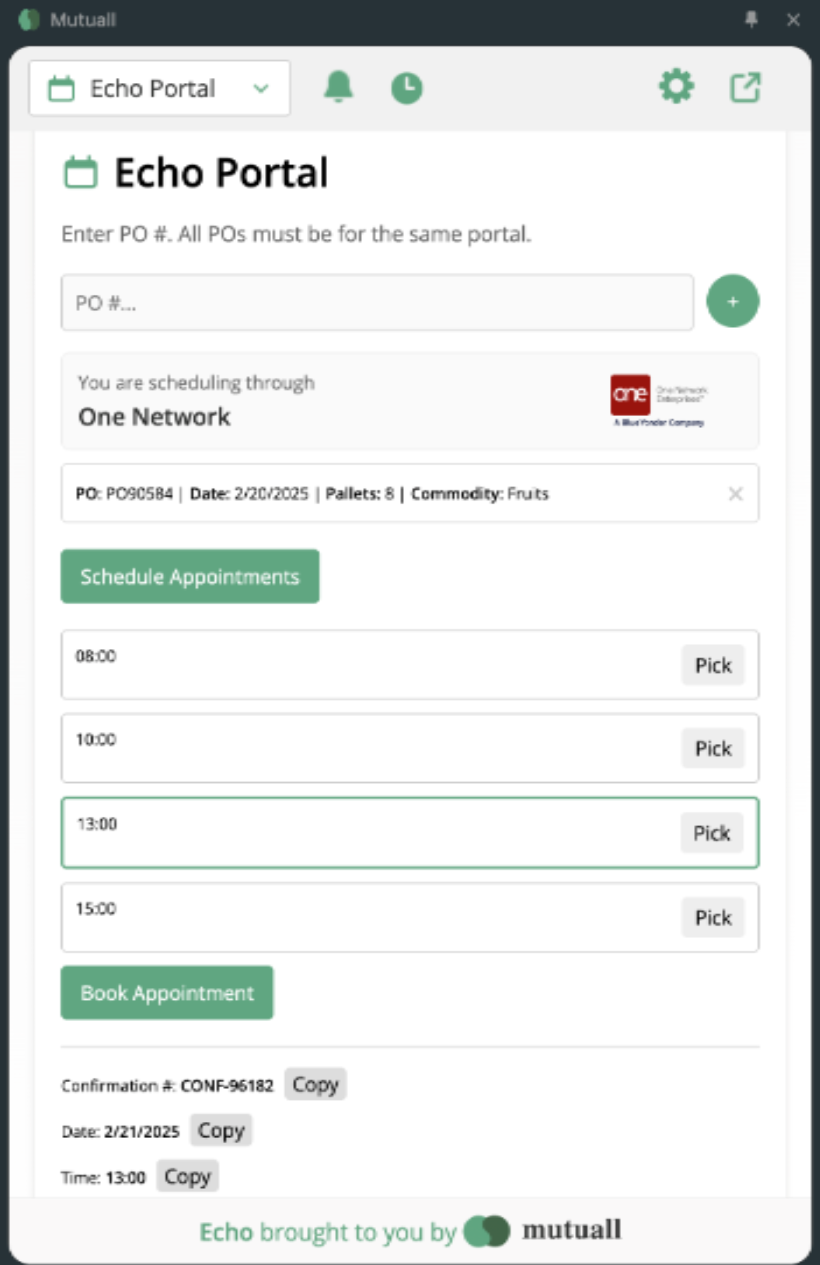
Mutuall companion tool: single-surface slot picker pulling availability across multiple portals via background agents.
Mutuall PO lookup view: POs matched to correct facility IDs across portals.
Results

Scheduling time down 87%, plus an audit trail as a side effect.

Across active users, scheduling time per load dropped by 87%. The same scheduler now did in a morning what used to fill an entire day.

The activity log turned out to be the quiet second win. Logistics teams had been hand-maintaining appointment trackers in spreadsheets for audit purposes; the extension produced that as a side effect, exportable and accurate by construction.

We ran the product for two years and sunset it in 2025 after an amicable wind-down. The Chrome Web Store listing stayed live through the cycle.

Mutuall, finalized: the single companion-tool surface that collapsed those fifteen portal tabs into one.
Mutuall activity history: exportable log of recent POs and scheduled appointments.

Want the longer version?

I'm happy to walk through the architecture, the trade-offs we considered but didn't ship, and what I'd do differently next time. Drop me a line.