
Luis SanchezLuis Sanchez
USCS · 2024

Warehouse Move Optimization Platform (SmartMove)

SmartMove is USCS's full-stack platform for less-than-truckload (LTL) freight consolidation. It took a core USCS service, combining shipments from multiple customers into shared trucks, that had been done manually for years and turned it into a systemized, defensible workflow. I led product dev and rollout, working directly with load planners to map and redesign the workflow before rolling it out nationwide over the course of a year. The platform validated $9.3M in savings and was featured in USCS's company newsletter as a 'game changer for LTL load planning.'

Warehouse Move Optimization Platform (SmartMove)
Stack
Python (optimization) · React UI · BigQuery · custom data-entry tooling
Scale
Nationwide USCS LTL network
Approach
Traveling salesman + bin packing optimization
Outcome
$9.3M validated savings · Featured in The Shield Q2 2024
$9.3M
Validated savings
Across the national USCS network over the rollout year
Nationwide
Rollout cycle
Site by site over a 12-month deployment
Game changer
Per USCS leadership
Keith Mowery (EVP) and Lauren Fitzpatrick (Sr. Manager, Logistics Systems) on the record in The Shield

Constraints that shaped the build

Solve a real combinatorial optimization in production, not in a notebookRespect what experienced planners do, but push back on the wrong 'we've always done it this way' assumptionsBuild datasets the industry didn't have (facility hours, freight-type compatibility, time windows)Make planners trust the system enough to use it dailyRoll out across the national network without disrupting running operations
Symptom

The work was done by intuition, not by system.

USCS's core LTL consolidation work, combining shipments from multiple customers heading to the same regions into shared trucks, had been done manually for years. Planners coordinated by tribal knowledge and individual experience. The process was slow, varied wildly by who was on shift, and capped by a stack of 'that's how we've always done it' assumptions.

Underneath the manual workflow, USCS was leaving real consolidation opportunities on the table every day. More trucks, more miles, more cost, fewer happy customers.
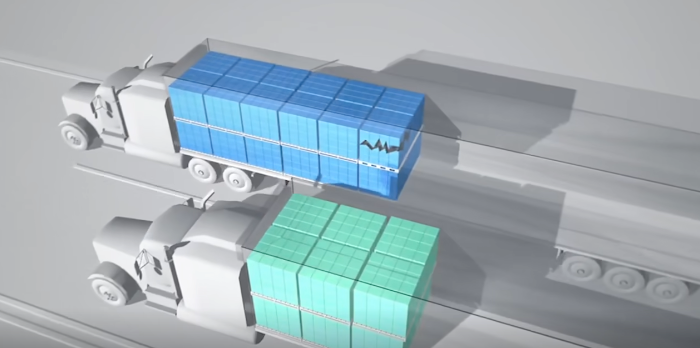
Baseline non-consolidated shipments: each customer gets their own truck. More trucks, more miles, more cost.
Diagnosis

Two textbook optimization problems hiding under a custom workflow.

At the math level, this was traveling-salesman (route between drop-off points) plus bin-packing (pack each truck within capacity and temperature constraints). What made it hard wasn't the math. It was that the inputs the algorithms needed didn't exist anywhere in the industry as a clean dataset.

There was no normalized record of when each facility was open, which freight types each facility accepted in which time windows (a frozen-only dock won't take refrigerated mid-shift), or which temperature classes could ride together in the same trailer. All of that lived in planners' heads.

Hypothesis

Systemize the experts, build the missing data, then let planners stop doing the easy 80%.

If we could capture what the best planners were actually doing, build the datasets they were holding in their heads, and wrap the whole thing in a UI they'd trust, the platform could automate the 80% of consolidation that was rote and free planners to focus on the 20% that needed judgment.

Critically, planners had to stay in control. The platform would recommend; planners would approve, adjust, or override. Otherwise it wouldn't get used.

Implementation

Three layers: the data, the optimizer, the UI.

I worked directly with load planners across multiple sites to map the real workflow. Every 'that's how we've always done it' got pushed back on. About half of those rules turned out to be real constraints; the rest were assumptions that quietly capped output.

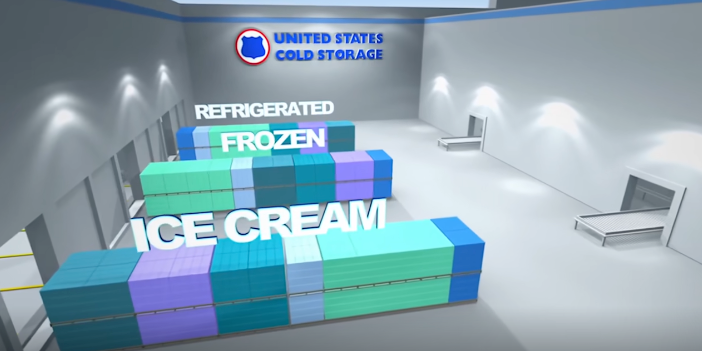
Then we built the unique datasets the industry didn't have: facility hours of operation, freight types accepted by time of day (poultry, dairy, ice cream, frozen, refrigerated), and cross-loading temperature compatibility. Critically, I built a data-entry tool so end users could maintain the dataset themselves in a data-friendly way, without needing engineering involvement every time a facility changed its hours.

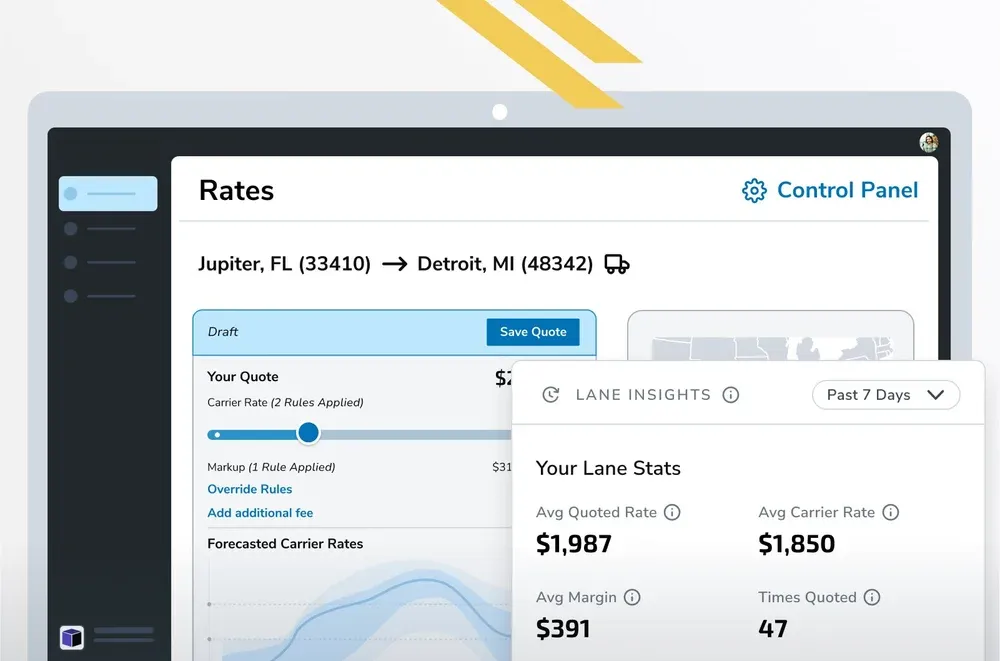
On top of that data layer, I modeled the consolidation problem as traveling salesman plus bin packing and wrote the optimizer in Python, tuned against historical loads.

All of it was packaged in a clean React UI so planners stayed in control. The system recommended consolidations; planners approved, rejected, or edited. Then we rolled it out nationwide over a year, site by site, never disrupting live operations.

Cross-temperature consolidation: ice cream, frozen, and refrigerated riding together on one truck, made possible by the custom temperature-compatibility dataset.
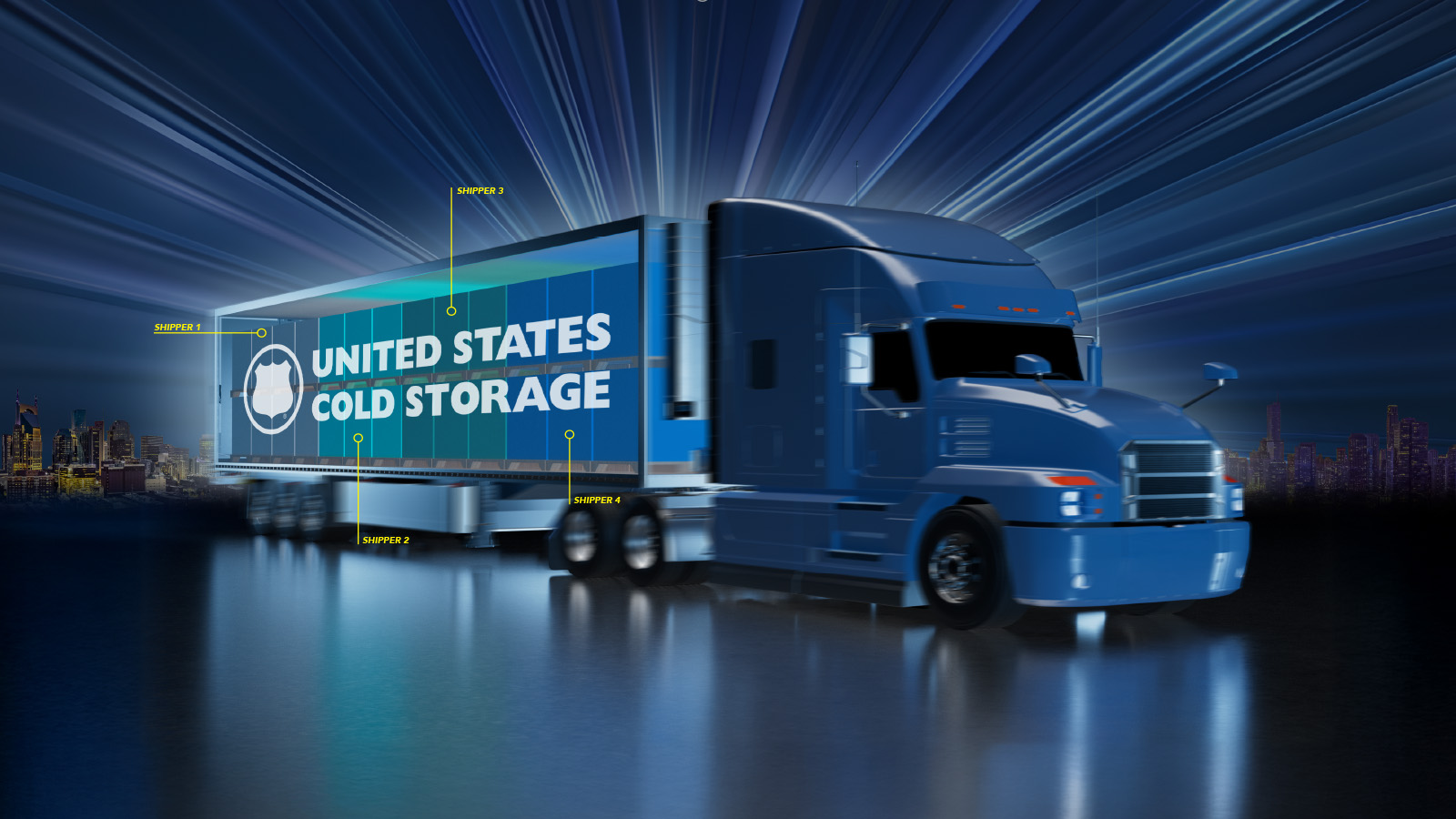
One truck, four shippers: Shipper 1, Shipper 2, Shipper 3, Shipper 4 consolidated onto a single trailer. The platform's core output, on a single visual.
Results

$9.3M saved and planners promoted to problem solvers.

Over the rollout year SmartMove validated $9.3M in savings against the national LTL network. USCS's company newsletter, The Shield, featured the platform in its Q2 2024 issue, with Keith Mowery (EVP) calling it 'a game changer for LTL load planning.'

Lauren Fitzpatrick, Senior Manager of Logistics Systems and one of the platform's earliest champions, framed the impact this way: 'SmartMove lets load planners become more proactive problem solvers. They can focus on what truly matters: servicing customers and ensuring that when issues inevitably arise, they can quickly resolve them.'

The win underneath the savings number is that the workflow itself moved from individual intuition to a system anyone on the team could run, audit, and improve. The data planners had been carrying in their heads now lives in a dataset the org owns.

Want the longer version?

I'm happy to walk through the architecture, the trade-offs we considered but didn't ship, and what I'd do differently next time. Drop me a line.